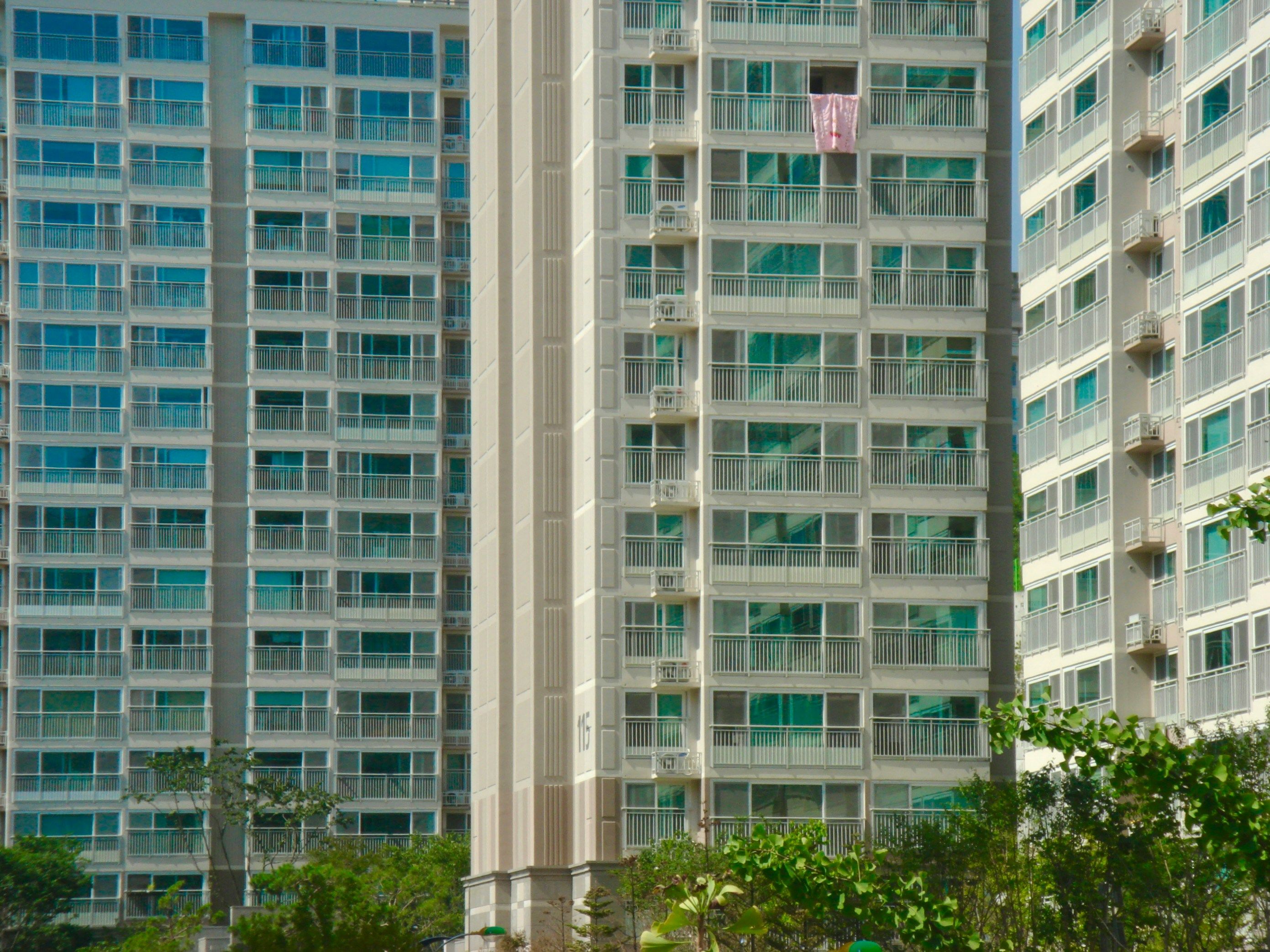
Canada's housing crisis has reached a critical juncture, with soaring prices and supply shortages creating a perfect storm of economic and political challenges. The situation has been exacerbated by ineffective government policies, leading to increased public dissatisfaction and economic strain.
The Canadian housing market has witnessed unprecedented price surges, making homeownership a distant dream for many. In major cities like Toronto and Vancouver, the availability of homes for median-income earners has plummeted, with only one in seven homes accessible. This shortage is largely attributed to a significant decline in pre-construction sales, with new condominium sales dropping by more than half in the first half of 2024 compared to the previous year ([Reuters](https://www.reuters.com/markets/canada-faces-worsening-home-ownership-crisis-with-stalled-condo-sales-2024-10-30/?utm_source=openai)).
Government interventions have done little to alleviate the crisis. The federal government's two-year ban on foreign ownership, extended to 2027, has failed to improve affordability. In Halifax, rent-to-income ratios have increased from 25% in 2019 to 28% in 2024. Median-income earners in Toronto and Vancouver now have access to only one in seven homes for sale, a stark decline from 2019 ([Financial Times](https://www.ft.com/content/6d882222-5f9e-4e38-a61a-7abffd8b64bd?utm_source=openai)).
The housing crisis has also led to significant political upheaval. In December 2024, Deputy Prime Minister and Finance Minister Chrystia Freeland resigned, prompting Prime Minister Justin Trudeau to announce his intention to resign in January 2025. This political instability culminated in the election of Mark Carney as Prime Minister in March 2025. Carney's administration has since proposed the 'Build Canada Homes' initiative, aiming to construct affordable housing on a large scale, including on public lands, with over $25 billion in financing for affordable home builders ([Wikipedia](https://en.wikipedia.org/wiki/Affordable_housing_in_Canada?utm_source=openai)).
Public dissatisfaction has manifested in increased anti-immigrant sentiment, with hate crimes against visible minorities and international students doubling since 2019. This backlash is partly attributed to the perception that immigrants are exacerbating economic challenges, including the housing crisis ([Reuters](https://www.reuters.com/world/americas/backlash-against-immigrants-challenges-canadas-welcoming-image-2024-09-06/?utm_source=openai)).
The economic implications of the housing crisis are profound. A survey by KPMG Canada revealed that 94% of business leaders consider soaring housing costs and inadequate supply as the most significant threat to economic stability. Companies have been compelled to increase salaries to attract and retain talent, contributing to persistent inflation and high interest rates ([Wealth Professional](https://www.wealthprofessional.ca/news/industry-news/housing-crisis-canadas-top-economic-threat/384970?utm_source=openai)).
Canada's housing crisis is a complex issue with deep economic and political implications. The government's previous policies have failed to address the root causes, leading to increased public dissatisfaction and economic challenges. A comprehensive and effective strategy is urgently needed to resolve this crisis and restore stability to the housing market.