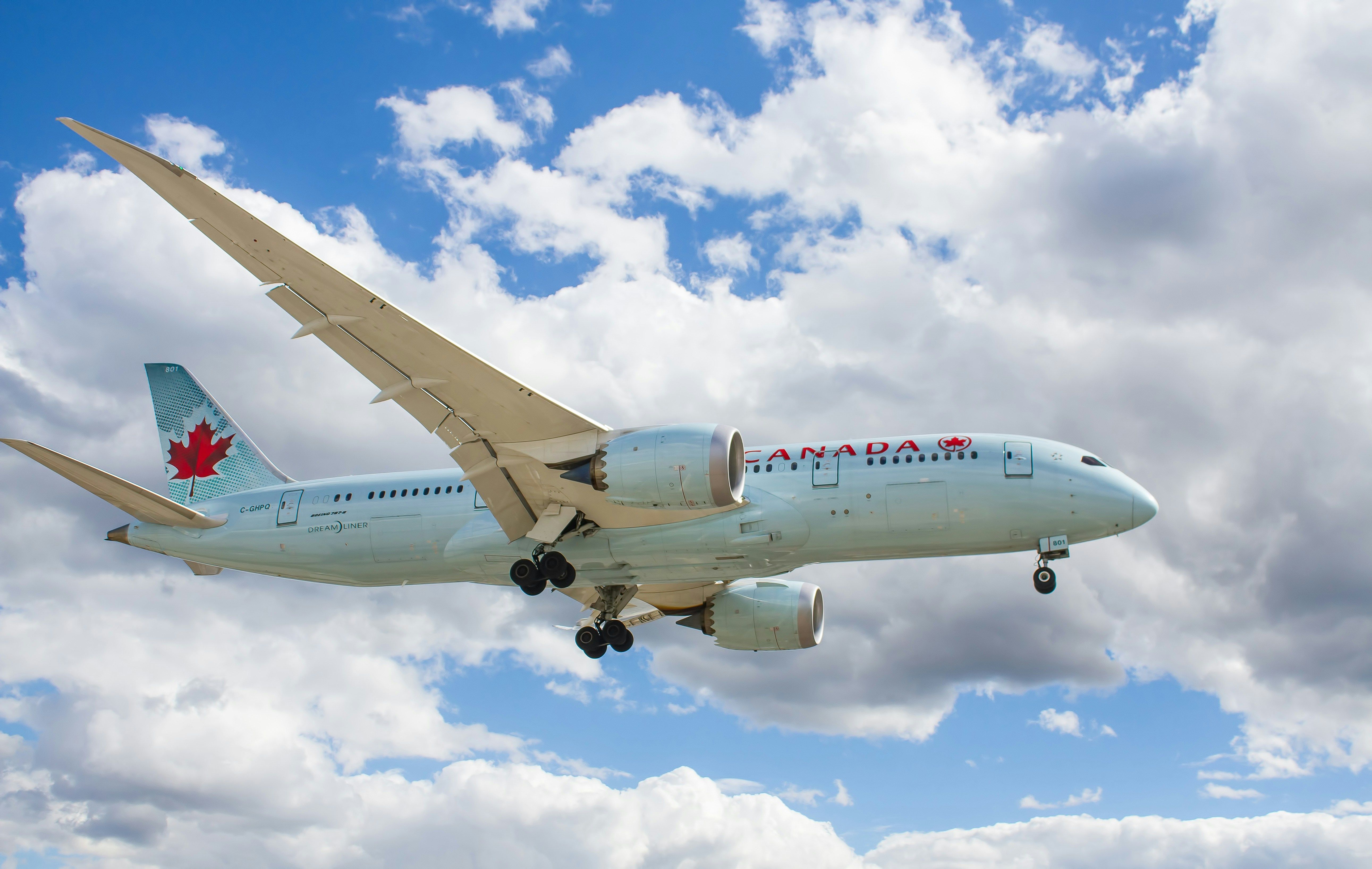
Air Canada has recently adjusted its financial forecast for the year, citing a significant decline in U.S.-bound travel as a primary factor. The airline now anticipates an adjusted EBITDA between C$3.2 billion and C$3.6 billion, down from the previous range of C$3.4 billion to C$3.8 billion. This revision reflects broader economic and political challenges impacting the Canadian aviation industry.
The decline in U.S.-bound travel has been attributed to a combination of factors, including a weaker Canadian dollar and ongoing trade tensions with the United States. Air Canada reported a 'low teens' percentage drop in bookings for U.S. destinations over the next six months. This downturn is partly due to Canadians opting to avoid U.S. travel amid strained bilateral relations.
In the first quarter of the year, Air Canada reported a revenue of C$5.19 billion, slightly below analyst expectations of C$5.29 billion. Despite this, the airline's adjusted loss per share was C$0.45, an improvement over the anticipated C$0.54 loss. These figures highlight the financial pressures facing the airline as it navigates a challenging economic landscape.
Operational challenges have further compounded Air Canada's difficulties. Winter storms in Eastern Canada and an incident involving a Delta Air Lines jet in Toronto led to disruptions, including the temporary closure of two runways at Toronto Pearson International Airport. These events have added to the operational hurdles the airline must overcome.
The broader airline industry is also experiencing a decline in U.S.-bound bookings. Air Canada has noted a 10% drop in such bookings, influenced by Canadians boycotting U.S. goods and trips following recent tariffs and controversial political remarks. This trend underscores the complex interplay between economic factors and international relations affecting the industry.
Air Canada's revised financial forecast highlights the significant impact of economic and political factors on the Canadian aviation industry. As the airline navigates these challenges, it remains to be seen how it will adapt its strategies to mitigate the effects of declining U.S. travel and operational disruptions. The coming months will be crucial for Air Canada as it seeks to stabilize its financial performance and maintain its competitive position in the market.